Introduction
The pursuit of higher education, particularly at the postgraduate level, is a transformative journey that opens doors to advanced career opportunities and groundbreaking research. For international students aspiring to study in the United States, financial constraints often pose a significant barrier. However, the 2026 University of Florida Graduate Scholarship stands as a beacon of opportunity, designed to support high-achieving students dedicated to the fields of ecology and conservation.
This fully funded scholarship is specifically tailored for a Master’s student interested in joining the Global Ecology Research Group within the Department of Wildlife Ecology and Conservation. The primary focus of this research position is quantitative ecology, with a specific project aimed at understanding the movement, space use, and population dynamics of sea turtles. By leveraging existing datasets—including telemetry and long-term monitoring data—this program offers a unique chance to contribute to meaningful conservation solutions while receiving comprehensive financial support.
About the University
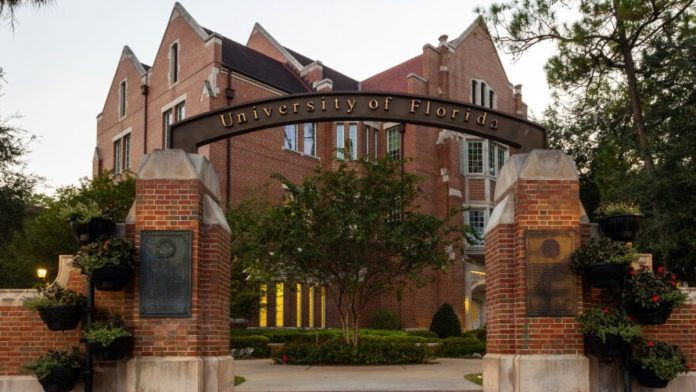
The University of Florida (UF) is a premier public research university located in Gainesville, Florida. Consistently ranked among the top universities in the United States, UF is a member of the prestigious Association of American Universities (AAU) and is recognized as a "Public Ivy," indicating a quality of education comparable to the Ivy League.
The university is renowned for its diverse academic offerings and its commitment to research that addresses global challenges. Specifically, the Department of Wildlife Ecology and Conservation is housed within the Institute of Food and Agricultural Sciences (IFAS). This department is a global leader in addressing the biological, social, and economic aspects of wildlife conservation and management.
Successful applicants will join the Global Ecology Research Group, led by Dr. Corey T. Callaghan. This research group is known for its integrative approach to ecology, utilizing large datasets and quantitative methods to answer pressing questions about biodiversity and ecosystem function. Students in this department benefit from state-of-the-art facilities, a collaborative academic environment, and the vibrant ecological landscape of Florida, which serves as a living laboratory for conservation research.
Benefits of the Scholarship
One of the most compelling aspects of the 2026 University of Florida Graduate Scholarship is that it is fully funded. The financial package is designed to ensure that the selected student can focus entirely on their research and academic success without the burden of financial stress. The benefits include:
- Full Tuition Coverage: The scholarship covers the full cost of tuition fees associated with the Master’s program. This is a significant benefit, as international tuition rates at top-tier US universities can be substantial.
- Annual Living Stipend: The student will receive a generous annual living stipend ranging from $27,500 to $31,000. This amount is calculated to cover living expenses in Gainesville, including housing, food, transportation, and personal needs.
- Comprehensive Health Insurance: Health insurance is mandatory for students in the US and can be costly. This scholarship includes a comprehensive health insurance plan, ensuring the student’s medical needs are covered during their studies.
- Research Support: Beyond the monetary benefits, the student will gain access to cutting-edge computational resources and work closely with agency partners, providing unparalleled professional development and networking opportunities.
Eligibility Requirements
To be considered for the University of Florida Scholarship 2026, applicants must meet specific academic and technical criteria. The research group is looking for a highly motivated and independent individual. To be eligible, you must:
- Educational Background: Hold a Bachelor’s degree (undergraduate degree) in a relevant field. Suitable majors include Ecology, Environmental Science, Statistics, Applied Mathematics, or a related discipline.
- Quantitative Skills: Possess strong quantitative skills. As this is a "desktop-based" project, the ability to handle, analyze, and interpret complex data is paramount.
- Programming Experience: Proficiency in programming is essential. Experience with languages such as R or Python is highly desirable. The project involves heavy statistical modeling and spatial analysis, so familiarity with these coding environments is a key selection criterion.
- Specialized Experience: While not always mandatory, having prior experience with telemetry analyses, movement ecology, spatial analyses (GIS), or advanced statistical modeling is highly advantageous and will strengthen the application.
- Interest in Sea Turtles: Candidates must demonstrate a genuine interest in studying sea turtles and applied conservation. This motivation often drives the success of the research.
- Soft Skills: Applicants should possess strong communication and organizational skills. The ability to work both independently (managing one’s own research timeline) and collaboratively (with agency partners and the research group) is essential.
- Language Proficiency: The listing notes "No IELTS Required," suggesting that English proficiency may be demonstrated through other means or waived based on prior education. However, high proficiency in English is necessary for effective communication and writing.
Required Documents
To apply for this unique graduate assistantship, candidates must prepare and submit a specific set of documents. It is crucial to combine these into a single PDF file as per the application instructions. The required documents include:
- Academic Curriculum Vitae (CV): A detailed CV that outlines your educational background, research experience, publications (if any), technical skills (specifically programming languages and software), and any relevant work history.
- Statement of Interest (Cover Letter): This document should not be a generic personal statement. It must specifically address your interest in the Quantitative Ecology Master’s Position involving sea turtles. You should explain how your background fits this specific project and highlight your proficiency with data analysis and programming.
- Letters of Recommendation: You must arrange for three letters of recommendation. These should come from academic advisors, professors, or previous employers who can attest to your research capabilities, work ethic, and technical skills.
Step-by-Step Application Process
The application process for this scholarship is direct but requires attention to detail. Follow these steps to ensure your application is considered:
- Prepare Your Documents: Gather your CV, Statement of Interest, and ensure your three referees are ready to submit their letters. (Note: Often, the email serves as the initial contact, and formal letters may be requested later, or referees can be listed in the CV. However, check if the email requires the letters attached or contact info for referees. Based on standard practices for this type of posting: compile your CV and Cover Letter into one PDF.)
- Draft the Email: Compose a professional email to Dr. Corey T. Callaghan. Keep the body of the email concise, polite, and professional.
- Set the Subject Line: This is critical for organization. Use the exact subject line provided: “Quantitative Ecology Master’s Position”.
- Attach the PDF: Attach your single PDF document containing the Academic CV and Statement of Interest. Ensure the file name is professional (e.g.,
LastName_FirstName_QE_Application.pdf). - Send the Application: Email your application package to c.callaghan@ufl.edu.
- Timeline: Note that the review of applications will begin on May 22, 2026. The position will remain open until a suitable candidate is found, but applying before the review date is highly recommended.
- Follow Up: If you do not hear back within a few weeks of the review date, a polite follow-up email is appropriate.
Tips to Win This Scholarship
Competition for graduate research assistantships can be fierce. Here are some tips to help your application stand out:
- Tailor Your Statement of Interest: Do not submit a generic personal statement. Explicitly mention the "Global Ecology Research Group," "sea turtles," and "quantitative ecology." Show that you have read the project description.
- Highlight Technical Skills: Since this role is heavily desktop-based and focused on data, your ability to use R, Python, or GIS is your biggest asset. Dedicate a significant portion of your CV and cover letter to the specific projects where you used these tools.
- Showcase Research Independence: The description asks for an "independent" student. Provide examples of past projects where you took initiative, designed a study, or solved a problem without constant supervision.
- Proofread Thoroughly: Attention to detail is a skill required for data analysis. Typos or formatting errors in your application could suggest a lack of attention to detail.
- Contact Early: Sending your application well before the deadline (or review start date) demonstrates enthusiasm and organization.
Frequently Asked Questions (FAQs)
Q: Can international students apply for the University of Florida Graduate Scholarship? A: Yes, the scholarship is open to eligible students from all countries. The University of Florida welcomes international applications for this position.
Q: Is the IELTS or TOEFL strictly required for this position? A: The scholarship announcement states "No IELTS Required." While the university may have general English proficiency requirements for admission, this specific lab posting suggests flexibility. However, strong English skills are necessary for the role.
Q: What is the deadline for the application? A: While the general deadline listed is March 15, 2026, the review of applications will specifically begin on May 22, 2026. You should aim to submit your application before the review date begins.
Q: When does the program start? A: The successful candidate is expected to begin in Fall 2026 or Spring 2027. You should indicate your availability in your cover letter.
Q: Is this a fully remote position? A: The position is described as "primarily desktop-based," meaning the work involves data analysis rather than fieldwork (tracking turtles physically). However, as a graduate student, you will be expected to be present on campus to collaborate with the department and advisor.
Q: What is the stipend amount? A: The annual living stipend ranges between $27,500 and $31,000, in addition to full tuition coverage and health insurance.
Q: Who do I contact if I have questions? A: For specific inquiries about the position, you can email Dr. Corey T. Callaghan at c.callaghan@ufl.edu. Ensure your questions are concise and show you have read the posting.
Ready to Apply for This Scholarship?
Visit the official scholarship application page to review requirements and submit your application before the deadline.


Comments 0
No comments yet. Be the first to share your thoughts!